

![]() |
|
Special Offers |
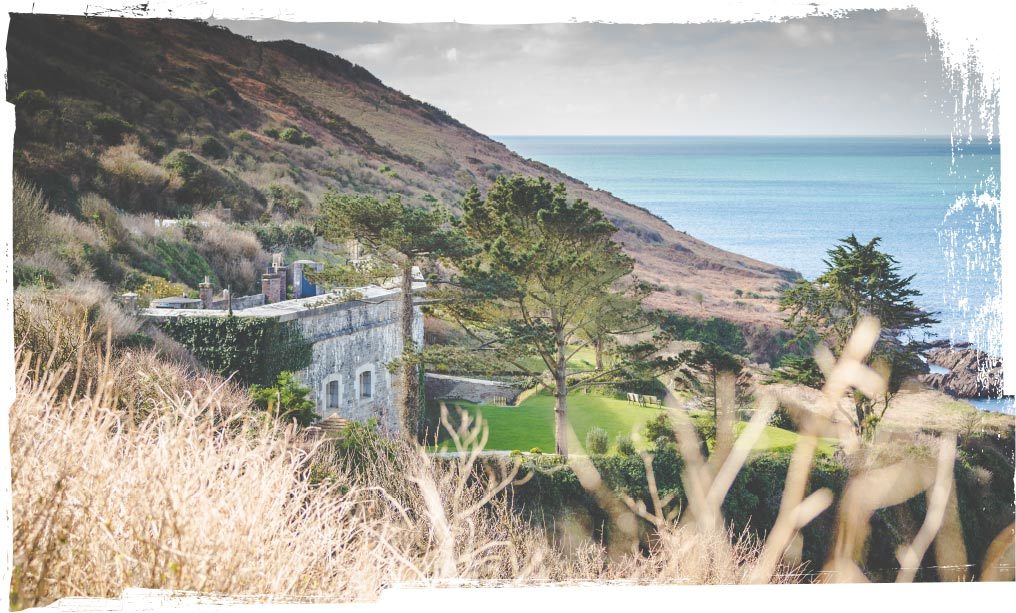
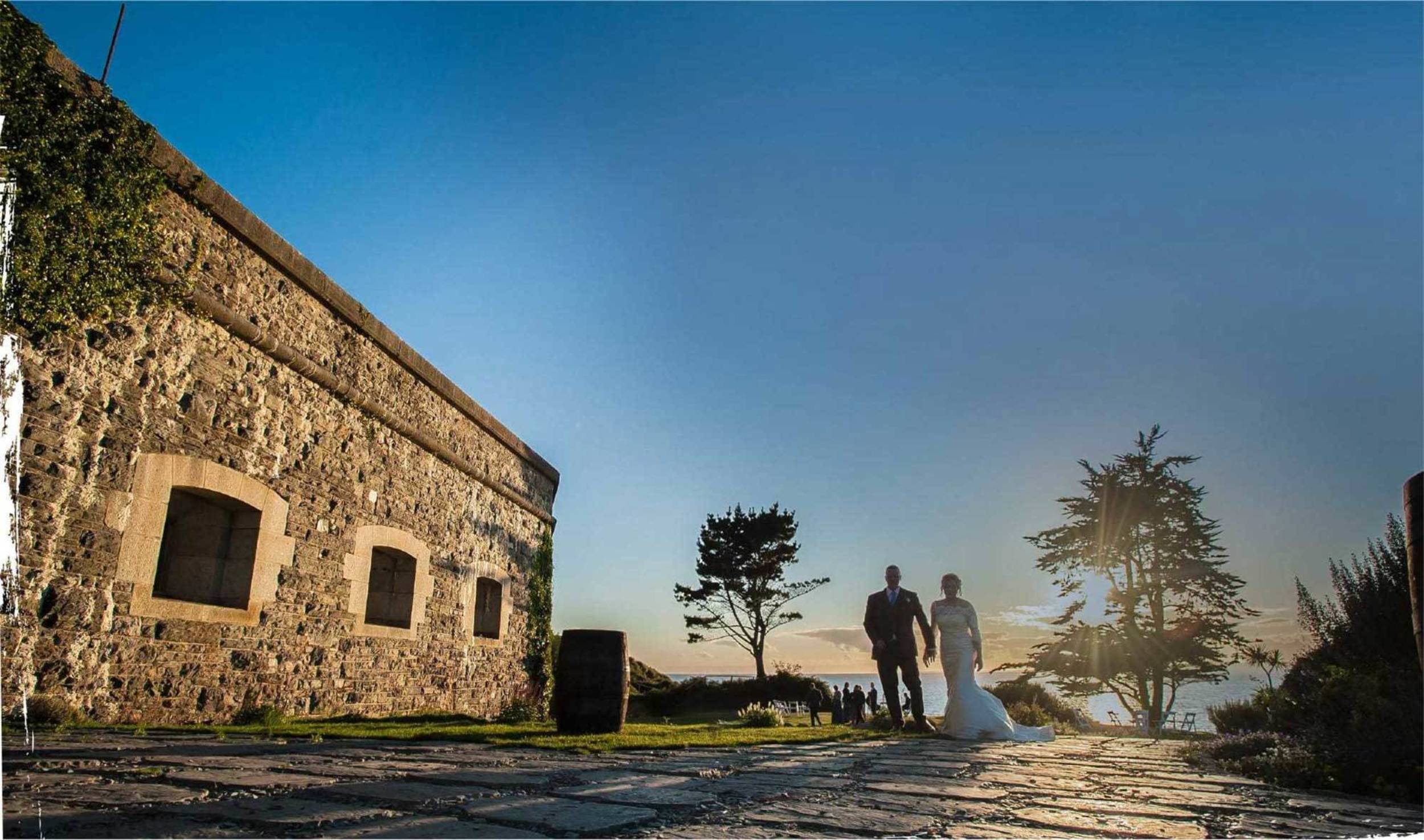
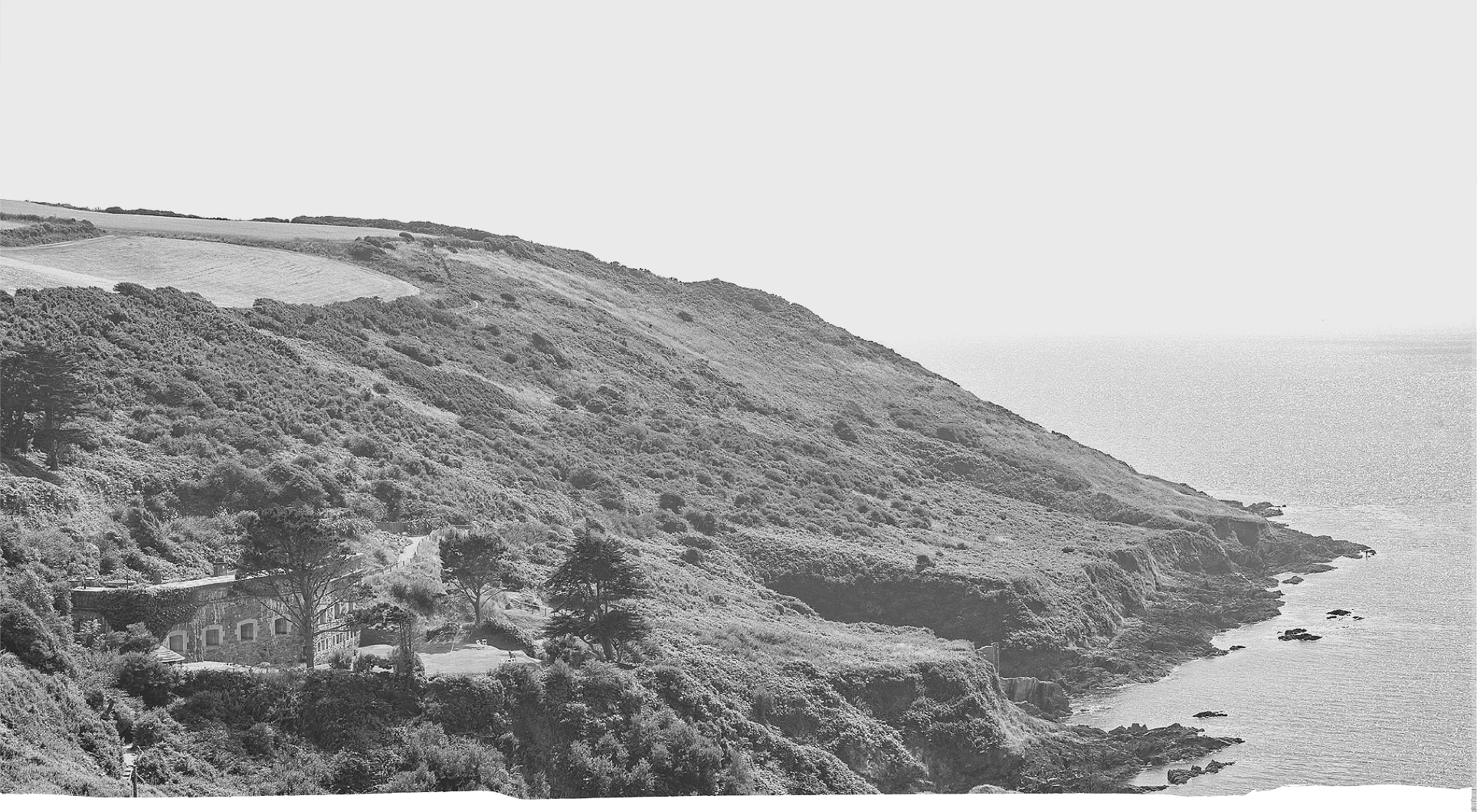
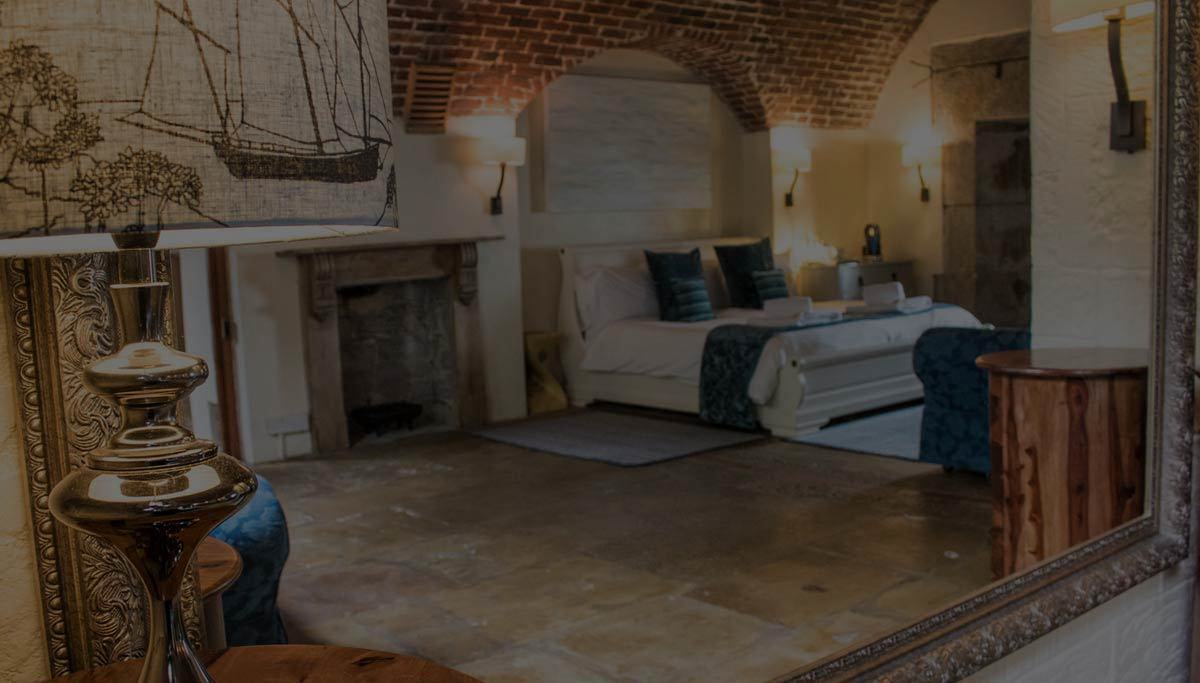
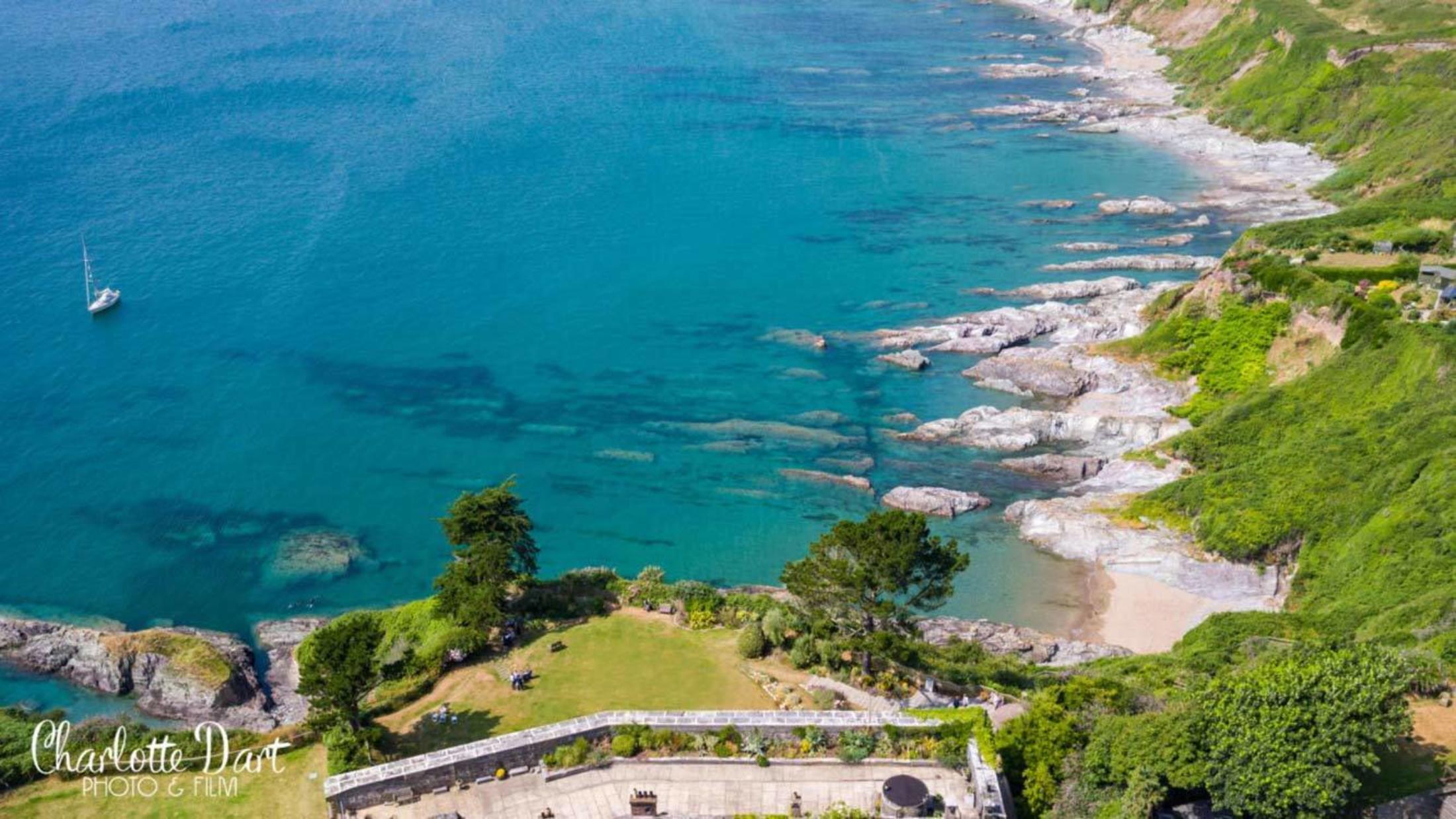
HISTORY OF THE FORTPolhawn BatteryThe Fort was constructed between 1862 and 1867, when it was known as Polhawn Battery. Strictly speaking, a Battery was a specialised fortification with armaments - principally cannons - with which to 'batter' the enemy, whilst a Fort was a fully contained Head of Command post, with accommodation and supplies for a full complement of officers and men. The name appears to have changed soon after 1927, when the Fort was sold by the then Ministry of War into private hands. Plymouth DefencesThe Fort was built as a part of the widespread Plymouth Defences which were all constructed around the same time in order to defend the critically important Naval base at Plymouth. The role of Polhawn Fort was to prevent hostile landings along the wide sandy beaches of Whitsand Bay that stretch nearly as far as Looe. Palmerston's Follies and Napoleonic FortsThe forts and fortifications from this period are known variously as Napoleonic Forts, and as Palmerston's Follies. Both these names refer to the time of a deteriorating relationship between France and England in the mid-nineteenth century, and more specifically between Napoleon III of France, and Lord Palmerston, Prime Minister of Great Britain. The long-standing British mistrust of the French substantially intensified when France built the world's first iron-clad warship. This important military development caused great anxiety in Victorian Britain - which still felt that Britannia ruled the waves - since it threatened to make the entire Royal Navy obsolete overnight. It was decided in 1847 that it would be preferable to construct fortifications rather than increase the size of standing military forces. There were two main reasons for this: first it was believed to be a cheaper option in the long run, since the defences would be manned by the Dad's Army of the day - civilians and 'disembodied' (ie disabled) soldiers: secondly, because they perceived then (as is the case in many countries now) that a large and powerful army will always pose a potential threat to its own civilian government. The principal reason for calling the fortifications Palmerston's Follies was the fact that the forts were never subjected to attack and never (except as anti-aircraft batteries in later times) fired in anger. But this entirely misses the main point of the Royal Commission's intentions, which was that their construction was always intended as a deterrent to the French (and others). Consequently, it is their very lack of use, and the absence of any attempted invasion, whilst the Royal Navy was busy modernising its fleet, that can be seen as an indication of the success of the strategy. Unplanned ObsolescenceIn addition to being known as one of the Palmerston's Follies, Polhawn Fort has a further problem. Local gossip has it that only the Royal Engineers could spend five years in planning and building the fort, only to discover that it is facing in the wrong direction. This is because its two angled faces command the beach and shallow water of Whitsand Bay and the arc of fire of the fort's cannons could not reach round to the open sea, where ships could anchor and fire upon it at will. There was a logical reason for this, which is part of the nature of the fort's history. The need for the Fort, and the others, was decided upon in 1847, but the detailed planning, the location, the purchase of the land from the Earl of Mount Edgcumbe, and the five years of building works were not completed for a further twenty years. During this time there was, more than at any previous time in history, a tremendously fast development in the technology of cannon weaponry. So although the Fort was conceived and designed to hold seven cannons which needed protection behind eight feet thick walls from return fire, by the time it was completed, modern cannons were so powerful that it was more effective to put them at the top of hills behind reinforced earthworks. It was thus much easier to keep ships and landing parties well out to sea, and Whitsand Bay Battery, principally a fortified earthwork (now a caravan site) was better placed for this; so Polhawn Fort was obsolete before its completion. Indeed there are still signs of this at the top of the southern face, where, in an area which would have needed the most protection, the defensive walls at the parapet level are actually unfinished. The CannonsA recently excavated 24 pounder cannon of the "Blomefield" design, dating from around 1809 and weighing two and a half tons, can be seen outside the back door of the main room, beneath the drawbridge. It is not certain as to whether the Fort was ever actually properly armed. Later usesIn the late nineteenth century the Fort appears to have been used as accommodation for certain gunnery officers who were at Whitsand Bay Battery. It was manned up to and during the first world war, and apparently the drawbridge was raised every single night (this was restored to full working order in Spring 1992 - quite possibly for the first time since the first world war). For a few months at the beginning of the first world war, the Magazine was used as a windowless dungeon, or detention cell for errant soldiers - and their writings on the wall, factual, cringing, and sarcastic, are still in good condition. The Fort was sold by the Ministry of War into private hands in 1927, and has had a mixed history since then. In the thirties it was used a hotel and tea rooms, and the original guest list is still in private hands - one famous guest was Tommy Handly, of Music Hall fame. At the end of the second world war the Fort was purchased by a family who shared and sub-divided it in a variety of ways until 1986, when the final sole remaining female member put it up for auction. The present owners, John and Teresa Wicksteed purchased it from the successful bidder (who apparently never visited it after the auction) in 1988. It has now been completely and sympathetically refurbished with full central heating, eight bedrooms, six with en-suite bathrooms, one further bathroom, and a generous 80 foot long sitting/dining/entertaining room comprising four of the original cannon arches or casemates. |